
What Is Neuroplasticity and How Does It Help Recovery?
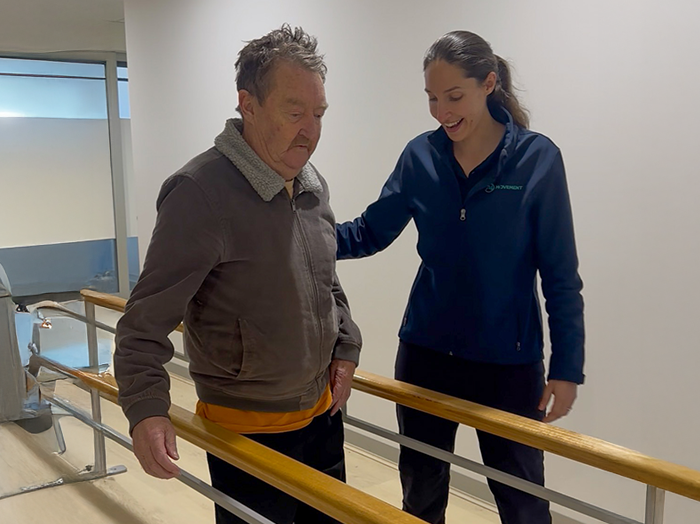
Neuroplasticity is your brain’s remarkable ability to adapt and build new connections. Discover how it supports learning, movement and recovery following neurological injury or illness.
Can Exercise Improve Mental Health and Anxiety?
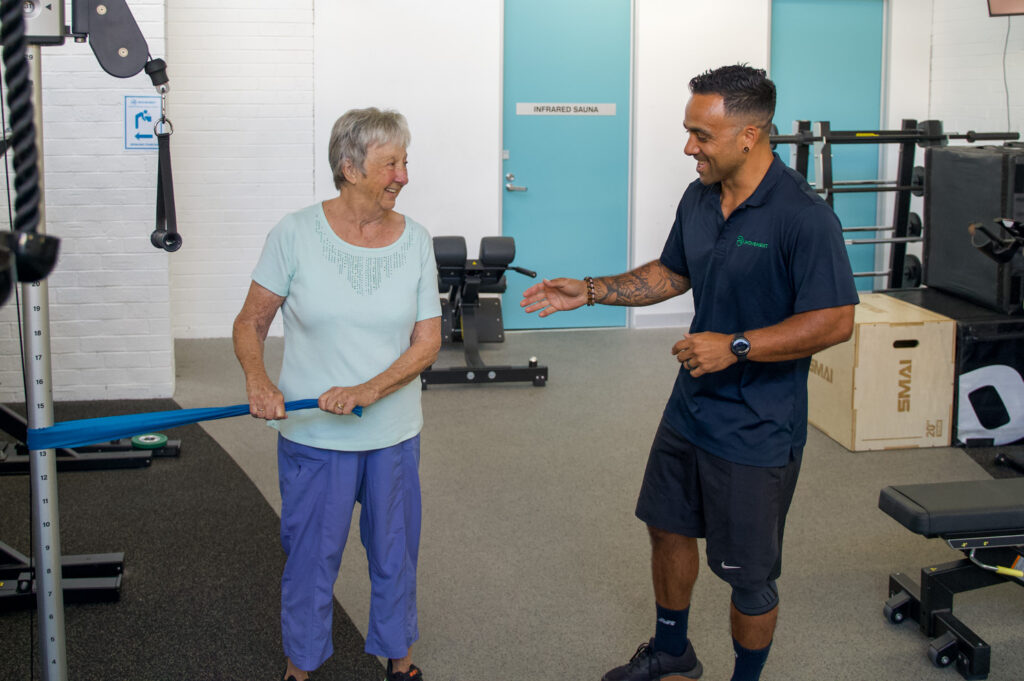
Can exercise really improve your mental health? Discover what the research says about exercise and anxiety, which types of movement may help and practical ways to get started.
Type 2 Diabetes: Symptoms, Risk Factors, Exercise and Nutrition

Learn what Type 2 diabetes is, the common risk factors, and how exercise and nutrition can help you manage your health and reduce long-term complications.
Is Posture Causing My Pain?

Is poor posture really responsible for your neck or back pain? Learn what we know about posture and pain, why movement and variation matter, and when to seek help.
Physiotherapist vs Exercise Physiologist: What’s the Difference?
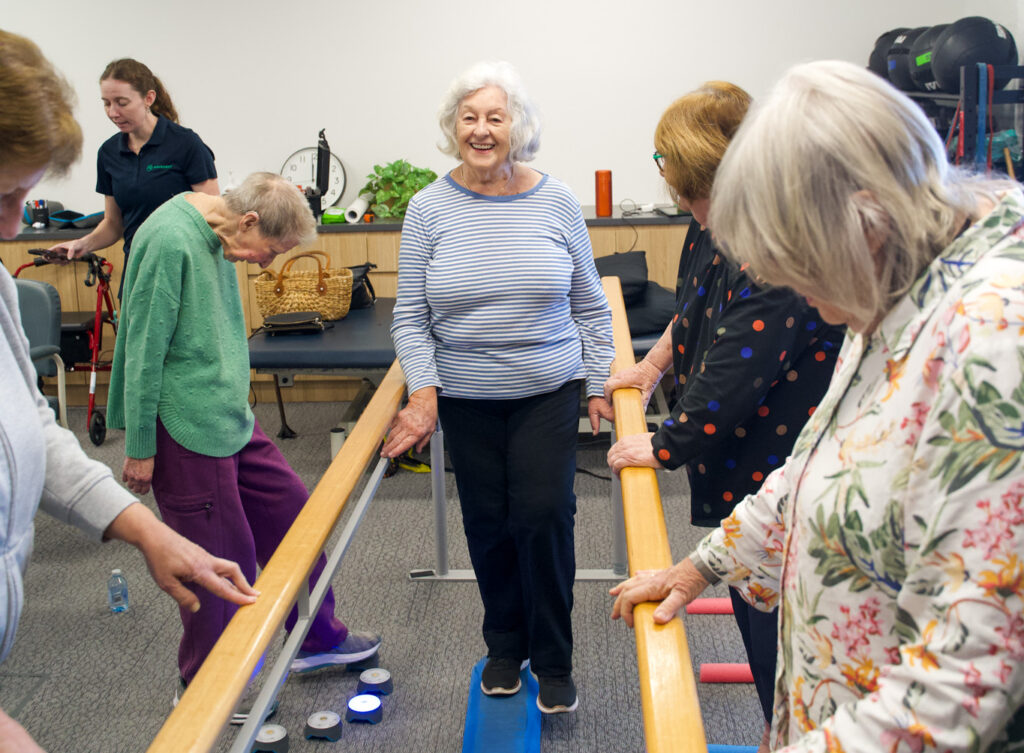
Wondering whether you should see a physiotherapist or an exercise physiologist? Learn the key differences between these allied health professionals, when to see each one and how they often work together to support your recovery and long-term health.
High Blood Pressure: The Risks and How to Lower It

High blood pressure is common and often goes unnoticed. Learn the risks and how movement, nutrition and support can help you manage and lower your blood pressure.
Why Quadriceps Activation Matters After ACL Surgery
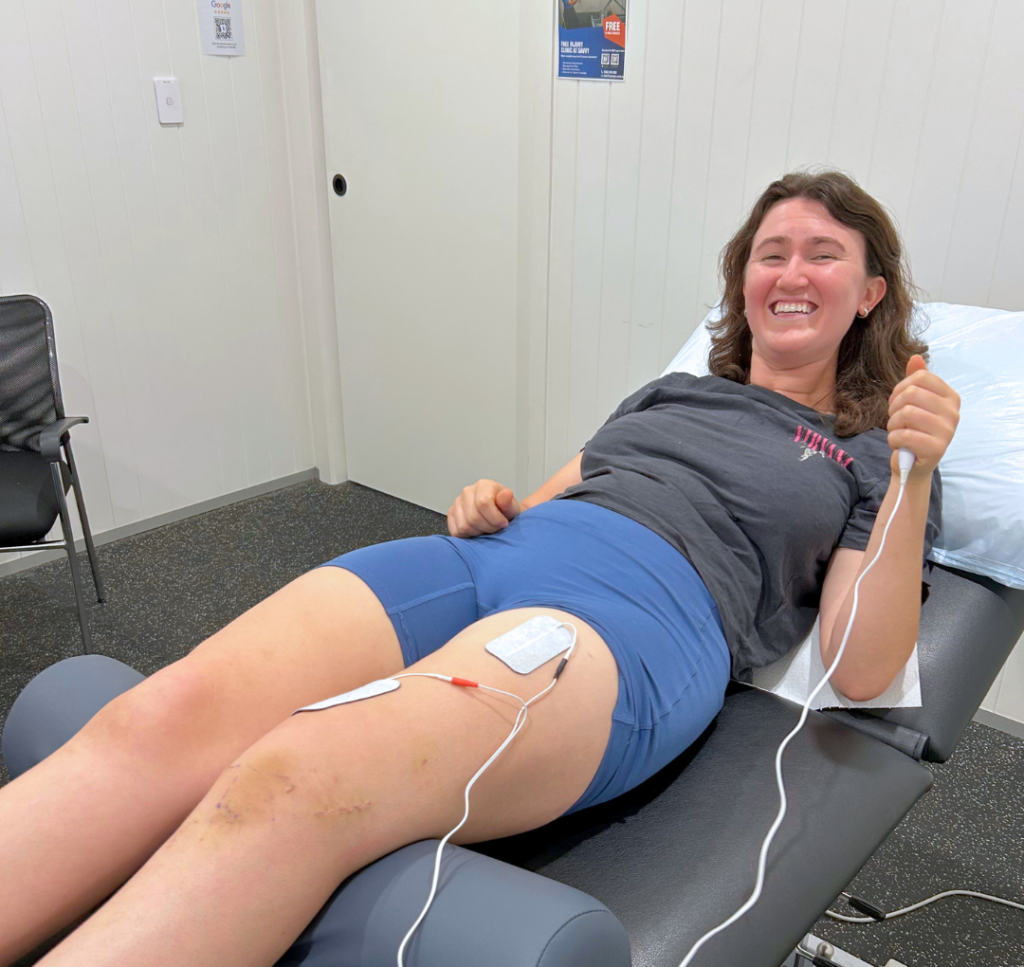
Quadriceps inhibition is common after ACL surgery and can slow recovery. At P4 Movement, we outline why quad activation matters and how physiotherapy and NMES may help.
Mental Health Fitness – What is it, and why is it important?

What is mental health fitness and why does it matter? Discover how movement, connection and allied health support at P4 Movement can improve wellbeing and resilience.
Managing Parkinson’s Disease with Physical Therapy
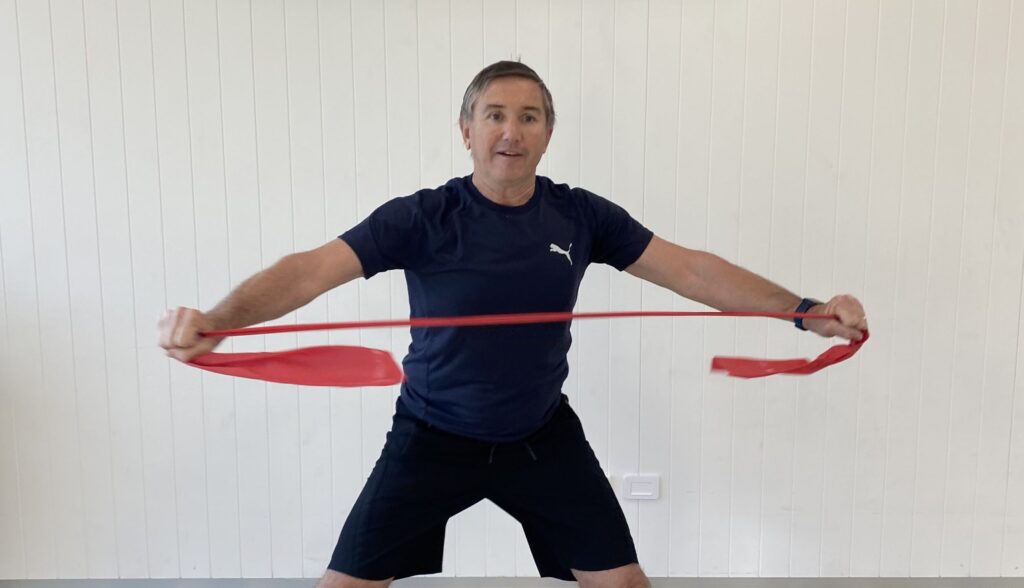
Parkinson’s disease (PD) is a progressive neurological disorder that affects movement, balance, and coordination.
While there is no cure, research shows that physical therapy plays a crucial role in managing symptoms, improving mobility, and enhancing quality of life.
Exercise Physiology – A Path to Better Health in Wollongong
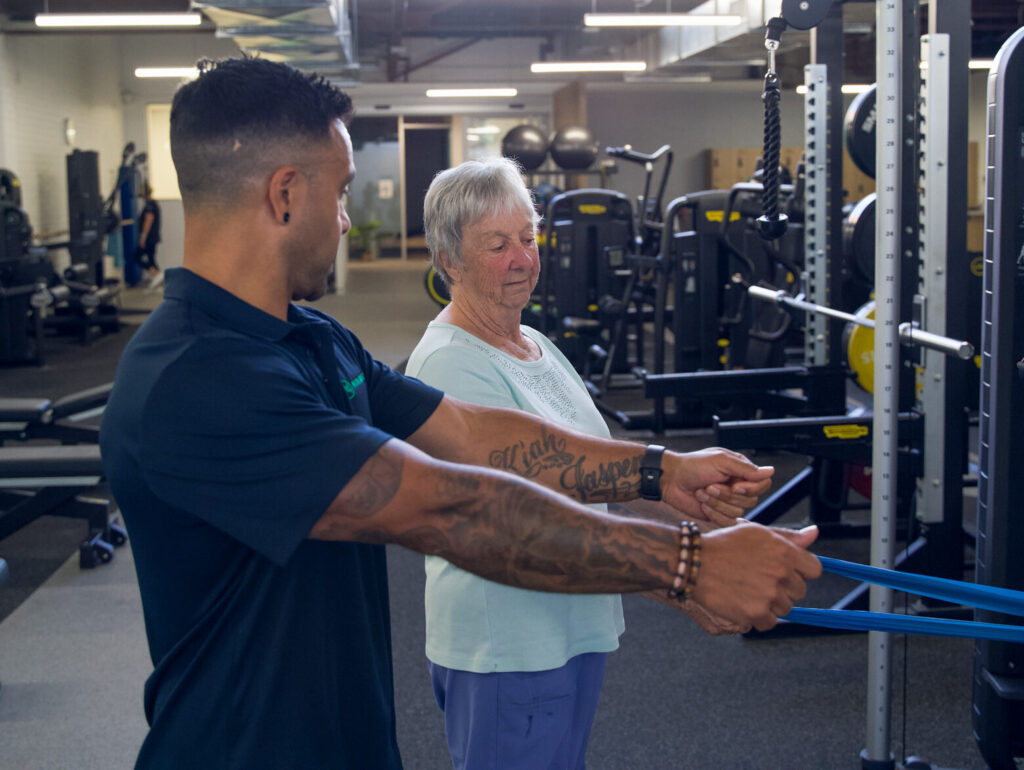
Exercise is essential to the quality of your health and wellbeing.
There are countless benefits to incorporating exercise into your daily life, particularly when you have the guidance of a professional Exercise Physiologist.