
Mental health challenges are increasingly common, with anxiety being one of the most prevalent concerns affecting people of all ages. While professional support, counselling and medical treatment remain important for many individuals, research continues to highlight another powerful tool that can support mental wellbeing: movement.
So, can exercise improve mental health and anxiety?
The short answer is yes. A growing body of evidence suggests that regular physical activity can help reduce anxiety symptoms, improve mood, enhance overall wellbeing and support better mental health outcomes.
While exercise is not a cure for anxiety or mental health conditions, it can be an effective component of a broader treatment and self-care plan.
The Connection Between Exercise and Mental Health
Exercise can influence a range of biological and psychological processes associated with mental wellbeing, including stress regulation, sleep, mood and self-confidence.
Regular physical activity can also provide opportunities for social connection, create a sense of achievement and give you time to focus on something outside the stresses of everyday life.
Regular movement may help:
- Reduce stress
- Improve sleep quality
- Increase energy levels
- Enhance self-confidence
- Improve concentration and cognitive function
- Create opportunities for social connection
- Support overall mood and wellbeing
Together, these effects can contribute to better mental health and improved resilience when dealing with life’s challenges.
You can learn more about the broader relationship between physical activity and wellbeing in our Health Hub article, Mental Health Fitness – What Is It and Why Is It Important?
What Does the Research Say About Exercise and Anxiety?
Research consistently shows that exercise can help reduce symptoms of anxiety across a wide range of populations.
A large umbrella review published in the British Journal of Sports Medicine found that physical activity interventions can reduce symptoms of depression, anxiety and psychological distress across a wide range of adult populations.
A range of physical activity approaches have demonstrated benefits for mental health, although the type, intensity and amount that works best may vary between individuals.
Evidence also suggests that people who engage in regular physical activity may have a lower risk of developing anxiety over time compared with those who are inactive.
The research supports viewing exercise as a valuable complement to traditional mental health treatments rather than a replacement for professional care when needed.
Why Does Exercise Help Reduce Anxiety?
There isn’t one single reason exercise can help with anxiety. Instead, regular physical activity can influence several areas of our physical and mental health.
1. It Helps Regulate the Body’s Stress Response
When we experience anxiety, our nervous system can shift into a heightened state of alertness.
Exercise provides a healthy outlet for stress and may help regulate the body’s physiological response by:
- Lowering tension
- Improving heart rate variability
- Reducing stress hormone activity
- Promoting relaxation following exercise
Over time, regular movement may help the body become more resilient to stress.
2. It Can Improve Sleep
Sleep and mental health are closely connected.
Poor sleep can increase feelings of anxiety, while anxiety can make it difficult to sleep. Regular exercise has been shown to improve sleep duration and quality, which can have a positive impact on mood and emotional regulation.
3. It Can Build Confidence
Completing a workout, learning a new movement skill or gradually becoming stronger can create a sense of accomplishment.
These small wins can improve self-efficacy, which refers to your belief in your ability to handle challenges.
Building confidence through movement can also make exercise itself feel less intimidating over time.
4. It Encourages Focus on the Present
Many forms of exercise require attention to breathing, movement, posture or technique.
This can provide a mental break from repetitive worrying and help bring your attention back to the present moment.
What Types of Exercise Are Best for Anxiety?
The best type of exercise is ultimately one you can perform consistently and that suits your individual health, abilities and preferences.
Research suggests several forms of movement may help support mental wellbeing and reduce anxiety.
Aerobic Exercise
Aerobic exercise includes activities such as:
- Walking
- Jogging
- Cycling
- Swimming
- Rowing
Aerobic exercise has consistently demonstrated benefits for mental wellbeing and can be an accessible way to introduce more movement into your routine.
Resistance Training
Resistance or strength-based exercise can improve physical function, strength, confidence and mental wellbeing.
Research suggests resistance training may be particularly helpful for reducing anxiety in some individuals, while also providing important benefits for physical health.
Resistance training might include:
- Free weights
- Weight machines
- Resistance bands
- Bodyweight exercises
Mind-Body Exercise
Activities such as:
- Yoga
- Tai Chi
- Pilates
combine movement with elements such as breathing, concentration and body awareness, which may provide additional benefits for stress management and emotional regulation.
Everyday Movement Counts Too
You don’t necessarily need a structured gym session to benefit from being more active.
Everyday activities can also contribute to your overall movement levels, including:
- Walking the dog
- Gardening
- Taking the stairs
- Playing with children
- Going for a walk with a friend
- Taking short movement breaks throughout the day
The important thing is finding opportunities to move that work for you.
How Much Exercise Do You Need?
Many people assume they need long, intense workouts to improve their mental health.
Fortunately, that isn’t necessarily the case.
Research suggests that even modest amounts of physical activity can provide meaningful benefits.
If you’re looking to get started, this might include:
- 10 to 20 minutes of walking
- Two to three strength sessions per week
- Regular movement breaks during sedentary days
Consistency is often more important than intensity.
If you’re currently inactive, you don’t need to change everything at once. Starting with an achievable amount of movement and gradually building from there can make exercise easier to incorporate into your everyday routine.
Rather than aiming for perfection, focus on creating sustainable habits that fit your lifestyle.
When Exercise Alone May Not Be Enough
While exercise can be extremely beneficial, it’s important to recognise that anxiety and other mental health conditions can be complex.
If anxiety is significantly affecting your daily life, relationships, work, sleep or overall wellbeing, seeking professional support is important.
Exercise may form one part of a broader approach to supporting mental health alongside:
- Psychological therapy
- Counselling
- Medical care where appropriate
- Social support
- Healthy sleep and lifestyle habits
Exercise and appropriate professional mental health care can work alongside each other as part of an individual approach to improving wellbeing.
Can an Exercise Physiologist Help With Mental Health?
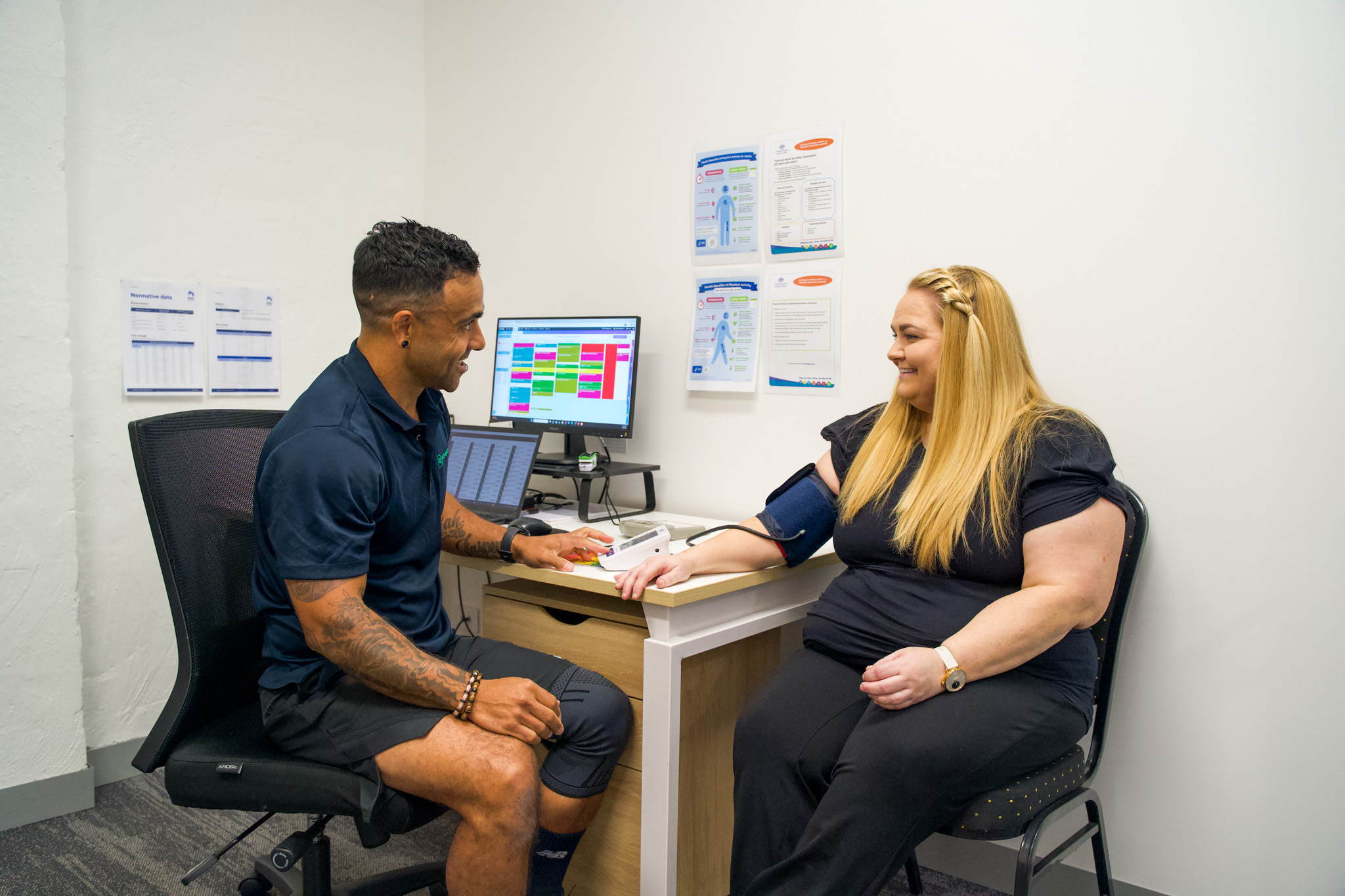
An Accredited Exercise Physiologist (AEP) can help you find safe, achievable ways to incorporate physical activity into your routine based on your health, goals, current fitness level and individual circumstances.
This may be particularly helpful if you’re living with a mental health condition alongside other health concerns, have been inactive for some time or simply don’t feel confident knowing where to begin.
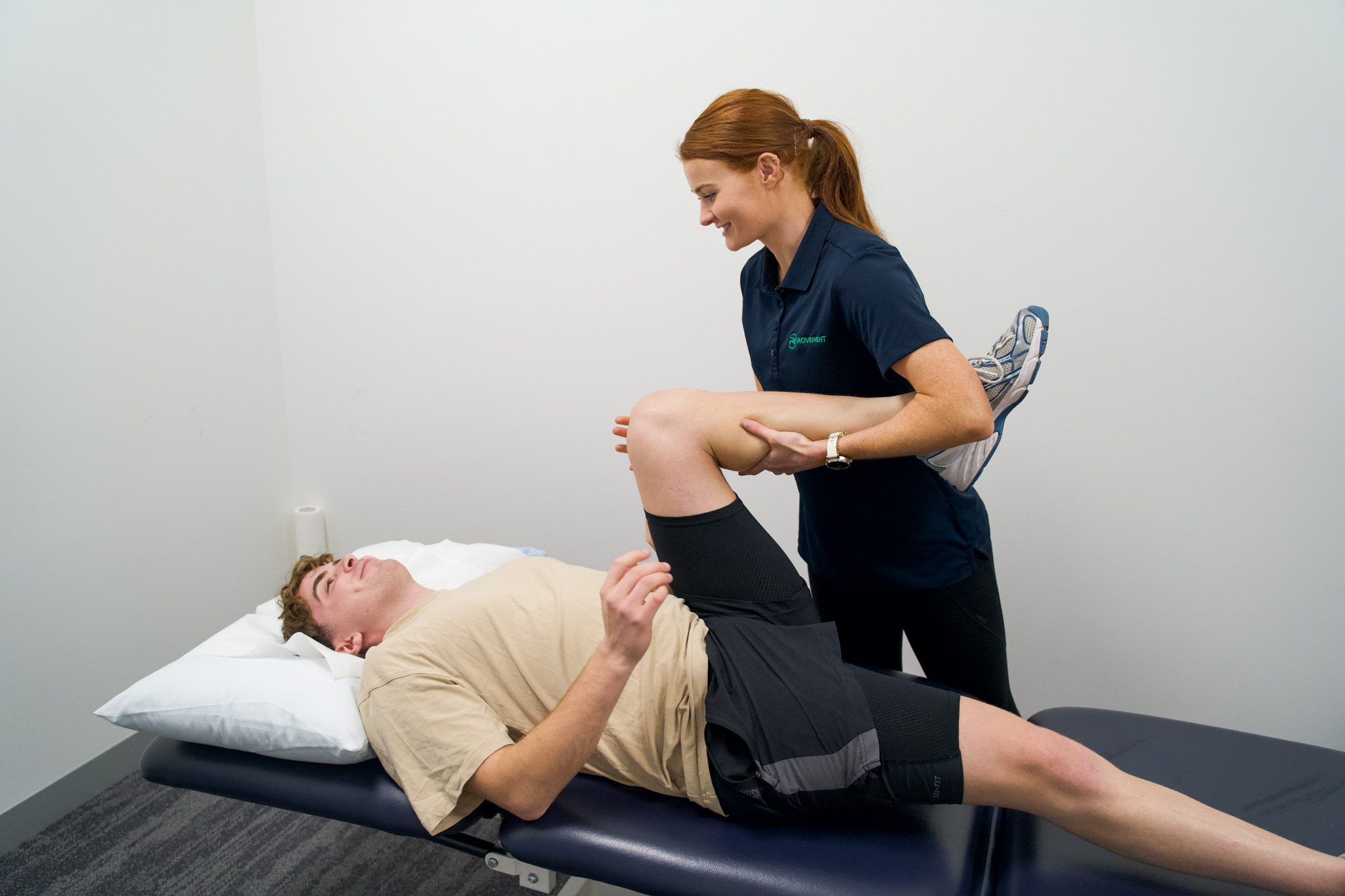
Rather than taking a one-size-fits-all approach, an Exercise Physiologist can develop an individualised exercise program and help you gradually build your confidence, strength and fitness.
They can also adapt your program as your needs change, helping make movement feel achievable and sustainable over the long term.
Practical Ways to Get Started
If you’re looking to use exercise to support your mental health:
- Start small and build gradually.
- Choose activities you enjoy.
- Focus on consistency rather than intensity.
- Include a combination of cardiovascular exercise and strength training.
- Look for opportunities to move throughout your day.
- Use movement as a tool for supporting your health, not as a punishment.
- Seek professional support if anxiety symptoms are significantly affecting your life.
Most importantly, don’t feel as though exercise has to look a certain way to “count”. Finding movement that feels achievable and works with your lifestyle is a great place to start.
Frequently Asked Questions
Research suggests that regular physical activity can help reduce symptoms of anxiety and support overall mental wellbeing.
Exercise isn’t a replacement for professional mental health treatment when it’s needed, but it can be a valuable part of a broader approach to managing your health
There isn’t one type of exercise that is best for everyone.
Aerobic exercise, resistance training and mind-body activities such as yoga, Tai Chi and Pilates may all provide benefits. The right choice will depend on your health, preferences, abilities and what you’re most likely to continue doing consistently.
You don’t necessarily need to begin with long or intense workouts.
Starting with 10 to 20 minutes of walking, incorporating regular movement breaks or adding two to three strength sessions per week can be a practical way to introduce more physical activity.
If you’re unsure what’s appropriate for you, an Exercise Physiologist can help develop an individualised plan.
An Exercise Physiologist can use evidence-based exercise prescription to support people living with mental health conditions, particularly where there may also be other physical health conditions or barriers to exercise.
They can help you find an appropriate starting point and develop a program tailored to your individual health, goals and abilities.
No. While exercise can be beneficial for mental wellbeing and anxiety symptoms, it shouldn’t be considered a replacement for appropriate psychological or medical treatment.
For many people, exercise can work alongside other forms of professional support as part of a broader approach to mental and physical wellbeing.
The Takeaway
So, can exercise improve mental health and anxiety?
The evidence strongly suggests that it can.
Regular physical activity can help reduce anxiety symptoms, improve mood, support better sleep, build confidence and contribute to overall mental wellbeing.
While exercise isn’t a standalone cure for mental health conditions, it is an accessible lifestyle strategy that can form an important part of looking after both your physical and mental health.
Whether it’s a daily walk, resistance training session, Pilates class or simply moving more throughout the day, finding movement that works for you is what matters.
Want to Move More but Unsure Where to Start?
At P4 Movement, our Exercise Physiologists can help you find an approach to exercise that considers your individual health, abilities and goals.
Whether you’re getting started with exercise, returning after some time away or looking for personalised guidance, our team can develop an exercise program designed to help you move with greater confidence.
Contact the P4 Movement team to learn more about Exercise Physiology and how personalised exercise guidance could support your physical and mental wellbeing.
References
Singh, B., Olds, T., Curtis, R., Dumuid, D., Virgara, R., Watson, A., Szeto, K., O’Connor, E., Ferguson, T., Eglitis, E., Miatke, A., Simpson, C. E. M., & Maher, C. (2023). Effectiveness of physical activity interventions for improving depression, anxiety and distress: An overview of systematic reviews. British Journal of Sports Medicine, 57(18), 1203–1209.
Li, X., Chen, W., Zhang, Z., Li, Z., Fan, X., Ma, T., Ding, S., Yang, F., & Lei, J. (2025). Association between physical activity and risk of anxiety: A dose-response meta-analysis of 11 international cohorts. eClinicalMedicine, 84, 103285.
Wanjau, M. N., Möller, H., Haigh, F., Milat, A., Hayek, R., Lucas, P., & Veerman, J. L. (2023). Physical activity and depression and anxiety disorders: A systematic review of reviews and assessment of causality. AJPM Focus, 2(2), 100074.
Lei, E. F.-C., Wan, K.-W., Dai, Z., & Tam, B. T. (2026). Effectiveness and acceptability of exercise treatments for adults with anxiety disorders: A systematic review and network meta-analysis. BMJ Open Sport & Exercise Medicine, 12(1), e002781.
Disclaimer: This article is intended for general education and should not replace individual medical or mental health advice from a qualified healthcare professional.