
“My posture must be terrible.”
“I keep slouching. That’s probably why my back hurts.”
“I’ve been told I need to sit up straight to prevent injury.”
These are some of the most common things people say when they experience neck, upper back or lower back pain. But is posture really the culprit?
The short answer is: probably not in the way many people think.
Research suggests that posture is only one piece of a much bigger picture. While the position you’re in can influence how your body feels, there isn’t one “perfect posture” that guarantees a pain-free body.
The Myth of Perfect Posture
For decades, we’ve been shown images of the “correct” way to sit, stand and work. Many people have been led to believe that slouching damages the spine, while sitting bolt upright protects it.
The reality is more complicated.
There isn’t strong evidence that one sitting or standing posture is universally better than another for preventing back pain. People can also experience pain for many different reasons, which means posture shouldn’t be considered in isolation.
This doesn’t mean posture is irrelevant. Rather, it means that our bodies are adaptable and capable of moving through many different positions.
Instead of trying to maintain one “perfect” posture throughout the day, it may be more helpful to think about comfort, movement and regularly changing position.
The Best Posture Is Your Next Posture
One useful way to think about posture is:
“Your next posture is your best posture.”
Our bodies are designed to move, and regularly changing position can help reduce the discomfort that may come with staying in one position for a long time.
Think about your favourite sitting position. It might feel comfortable for a few minutes, but after an hour you will probably start shifting around.
The problem isn’t necessarily the posture itself. Staying in any one position for a prolonged period may become uncomfortable.
Whether you’re sitting tall, slouching or standing, your body can benefit from regularly changing position throughout the day.
Why Do People Associate Posture With Pain?
Pain is complex and rarely has a single cause.
While posture can influence how load is distributed through the body and certain positions may aggravate symptoms for some people, pain can also be influenced by factors such as:
- Physical activity levels
- Sleep quality
- Stress and anxiety
- Work demands
- Previous injuries
- General health and fitness
- Recovery and workload balance
- Beliefs and fear around movement
Two people may spend their working day in very similar positions. One may feel completely comfortable, while the other experiences pain.
That’s one of the reasons why looking at posture alone doesn’t always provide the answer.
Is Slouching Bad for You?
Not necessarily.
Slouching is one of many positions the human body can adopt when sitting. Your spine naturally moves through different positions throughout the day.
A slouched position may become uncomfortable if you stay there for a long period, but sitting rigidly upright for hours can also become uncomfortable.
Rather than trying to avoid slouching altogether, think of it as one position within a range of available positions.
The goal isn’t necessarily to eliminate certain postures. Instead, focus on being able to comfortably move between different positions and regularly changing how you sit, stand and move.
What Should I Focus on Instead of Perfect Posture?
Rather than constantly trying to correct your posture, consider focusing on habits that support your overall musculoskeletal health.
Move Regularly
Take short movement breaks during work, study, driving or screen time.
Standing up, stretching or going for a short walk can break up long periods spent in the same position.
You don’t necessarily need a complicated stretching routine. Sometimes simply changing position is enough.
Build Strength and Fitness
Regular physical activity and strengthening exercise can improve your body’s capacity to manage the demands of everyday life.
Building strength and fitness may also help you feel more confident with activities such as bending, lifting, sitting, standing and exercising.
Improve Postural Awareness
Postural awareness can still be useful, particularly if you find yourself spending prolonged periods in one position.
However, postural awareness is different from constantly correcting your posture.
It’s about noticing when you’ve been in the same position for a long time and giving yourself an opportunity to move.
Stay Confident in Movement
Some people become fearful of bending, slouching, lifting or sitting in particular positions because they’re worried they may be causing damage.
In many cases, the spine is a strong and adaptable structure designed to move through a wide variety of positions.
Rather than fearing movement, the goal is to gradually build your body’s capacity and confidence to perform the activities that matter to you.
When Should You See a Physiotherapist?
If neck or back pain is persisting, affecting your daily activities or limiting your ability to work, exercise, sleep or enjoy life, it may be worth speaking with a physiotherapist.
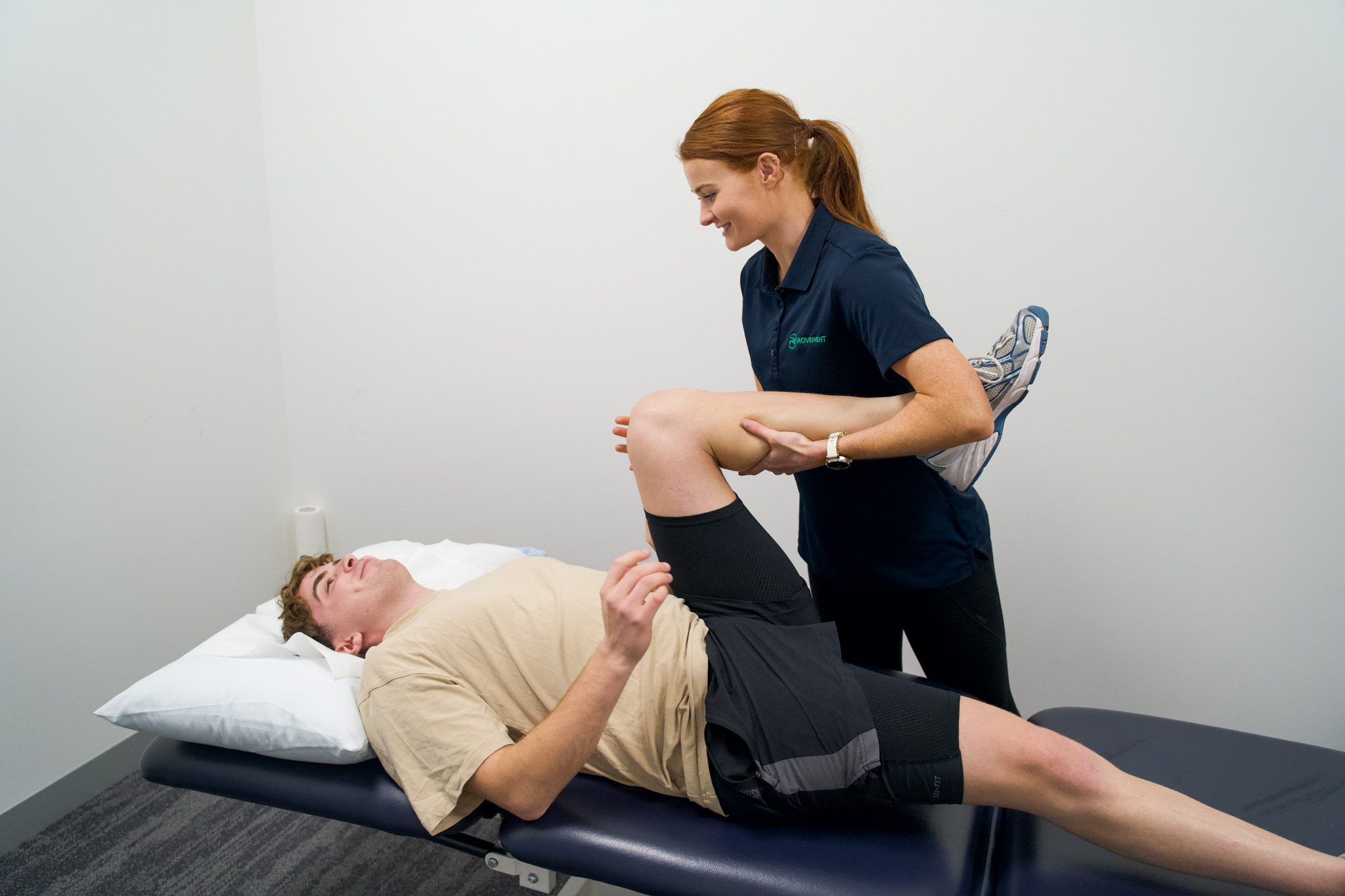
A physiotherapist can look beyond your posture and assess factors such as your movement, strength, symptoms, activity levels and daily demands to better understand what may be contributing to your pain.
From there, they can develop an individual management plan designed around your needs and goals.
When Should You Seek Urgent Medical Attention?
Seek urgent medical attention if your back pain is accompanied by symptoms such as:
- Significant trauma
- Fever or feeling significantly unwell
- Progressive weakness
- New changes in bladder or bowel function
- Numbness around the groin or saddle area
- Other new or rapidly worsening neurological symptoms
Unexplained weight loss alongside persistent pain should also be discussed with a healthcare professional.
Frequently Asked Questions:
Posture can influence how your body feels, particularly if you remain in one position for a long time. However, back pain is complex and usually can’t be attributed to posture alone.
Physical activity, sleep, stress, previous injuries, general health, work demands and many other factors can also influence pain.
Slouching isn’t automatically bad for your back. It’s one of many normal positions your spine can adopt.
If slouching feels uncomfortable, change position. Rather than trying to eliminate it completely, focus on regularly moving between positions and staying physically active.
There isn’t one perfect sitting posture that works for everyone.
A comfortable position that you change regularly is often more practical than trying to maintain a rigid “correct” posture throughout the day.
If a particular position consistently aggravates your symptoms, a physiotherapist can help you understand why and explore strategies that may make sitting more comfortable.
Prolonged sitting can contribute to discomfort for some people, and research has found an association between prolonged sitting and immediate increases in low back pain.
However, that doesn’t mean sitting itself will cause a back injury or that everyone who sits for long periods will develop back pain.
Regularly changing position and breaking up long periods of sitting can be a useful strategy.
Yes.
Rather than simply telling you to “sit up straight”, a physiotherapist can assess your pain, movement, strength, work or activity demands and other factors that may be contributing to your symptoms.
Treatment can then focus on the factors relevant to you, which may include education, exercise, movement strategies and gradually returning to the activities you want to do.
The Takeaway
Posture is not the enemy.
Research doesn’t support the idea that there is one ideal sitting or standing posture that will prevent pain or injury for everyone.
Instead of striving for rigid “correct” posture, focus on movement, variety, physical activity and your overall health.
Remember:
- Your spine is strong and adaptable.
- Movement is healthy.
- Variation can be helpful.
- The best posture is often your next posture.
Need Help Understanding Your Pain?
If neck pain, back pain or workplace discomfort is affecting your daily life, our P4 Movement physiotherapists can help identify the factors that may be contributing to your symptoms.
Rather than focusing on posture alone, we’ll look at the bigger picture and develop a personalised plan to help you move with greater confidence and get back to the activities that matter to you.
Book an appointment with our Physiotherapy team or get in touch with P4 Movement to find out how we can help.