
When people hear the term exercise physiology, they often picture elite athletes training for competition or professional sports teams working towards peak performance.
But exercise physiology is about much more than sport.
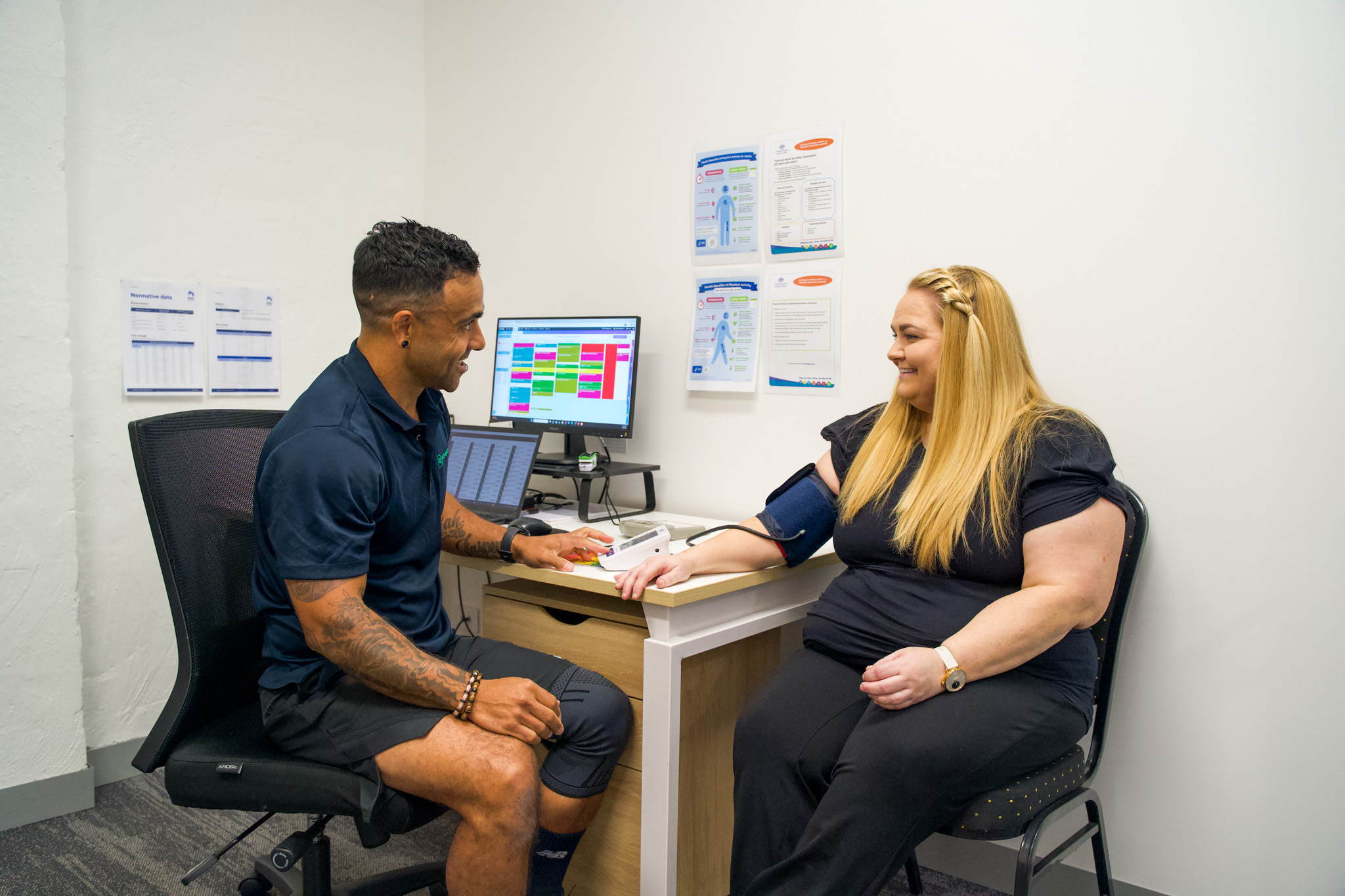
Accredited Exercise Physiologists (AEPs) work with people of different ages, abilities and fitness levels. Many people see an Exercise Physiologist to help manage a health condition, recover from injury, improve mobility and strength, or simply feel more confident exercising.
You don’t need to be athletic, or even consider yourself particularly fit, to benefit from exercise physiology.
What Is an Accredited Exercise Physiologist?
An Accredited Exercise Physiologist (AEP) is a university-qualified allied health professional who uses evidence-based exercise to support the prevention, treatment and management of chronic health conditions, injuries and disabilities.
Rather than giving everyone the same workout, an AEP considers factors such as your:
- Health conditions and medical history
- Current physical capacity
- Functional limitations
- Lifestyle
- Previous exercise experience
- Personal goals
They can then prescribe and progress exercise based on your individual needs and circumstances.
Put simply, an AEP uses exercise as a form of healthcare, helping people improve their health, physical function, independence and quality of life.
Who Can Benefit From Exercise Physiology?
Exercise Physiologists work with a much broader range of people than many realise.
This may include people living with or managing:
- Type 2 diabetes and other metabolic conditions
- Heart disease and cardiovascular conditions
- Osteoarthritis and osteoporosis
- Persistent pain
- Musculoskeletal injuries
- Cancer and the effects of cancer treatment
- Neurological conditions
- Respiratory conditions
- Mental health conditions
- Disability or reduced mobility
- Changes in strength, balance or function associated with ageing
AEPs can also support people recovering from injury or surgery, returning to work or activity, or those who simply aren’t sure how to exercise safely with an existing health condition.
Exercise Physiologist vs Sports Scientist: What’s the Difference?
This is where some of the confusion around exercise physiology comes from.
While there can be overlap in their exercise science knowledge, Accredited Exercise Physiologists and Accredited Sports Scientists have different areas of focus.
An Accredited Sports Scientist (ASpS) primarily works with individual athletes, sporting teams and high-performance environments to optimise athletic performance.
Their work may include:
- Strength and conditioning
- Performance testing
- Training program design
- Monitoring training loads
- Recovery strategies
- Athlete development
- Sports performance analysis
An Accredited Exercise Physiologist, on the other hand, is an allied health professional whose focus is clinical exercise prescription for people with health conditions, injuries, disabilities or other complex needs.
So while one person’s exercise goal might be improving sporting performance, another person’s goal might simply be walking the dog comfortably, climbing the stairs, returning to work or maintaining their independence.
Both are meaningful goals, and exercise can be adapted accordingly.
Exercise Physiology for Chronic Health Conditions
Exercise is an important component in the management of many chronic health conditions.
Depending on the condition and the individual, appropriately prescribed exercise can help improve physical capacity, strength, function and quality of life.
An AEP considers your symptoms, medical history, physical abilities and goals when developing an exercise program.
This is particularly valuable when you’re unsure what exercise is appropriate, how much to do or how to safely progress.
At P4 Movement, our Exercise Physiologists work with people across a range of health conditions, with exercise tailored to the individual rather than taking a one-size-fits-all approach.
Exercise Physiology for Injury and Rehabilitation
Exercise physiology can also play an important role in rehabilitation.
An AEP may work with someone recovering from:
- A sporting or workplace injury
- Surgery
- Persistent pain
- A period of illness or inactivity
- Other conditions affecting physical function
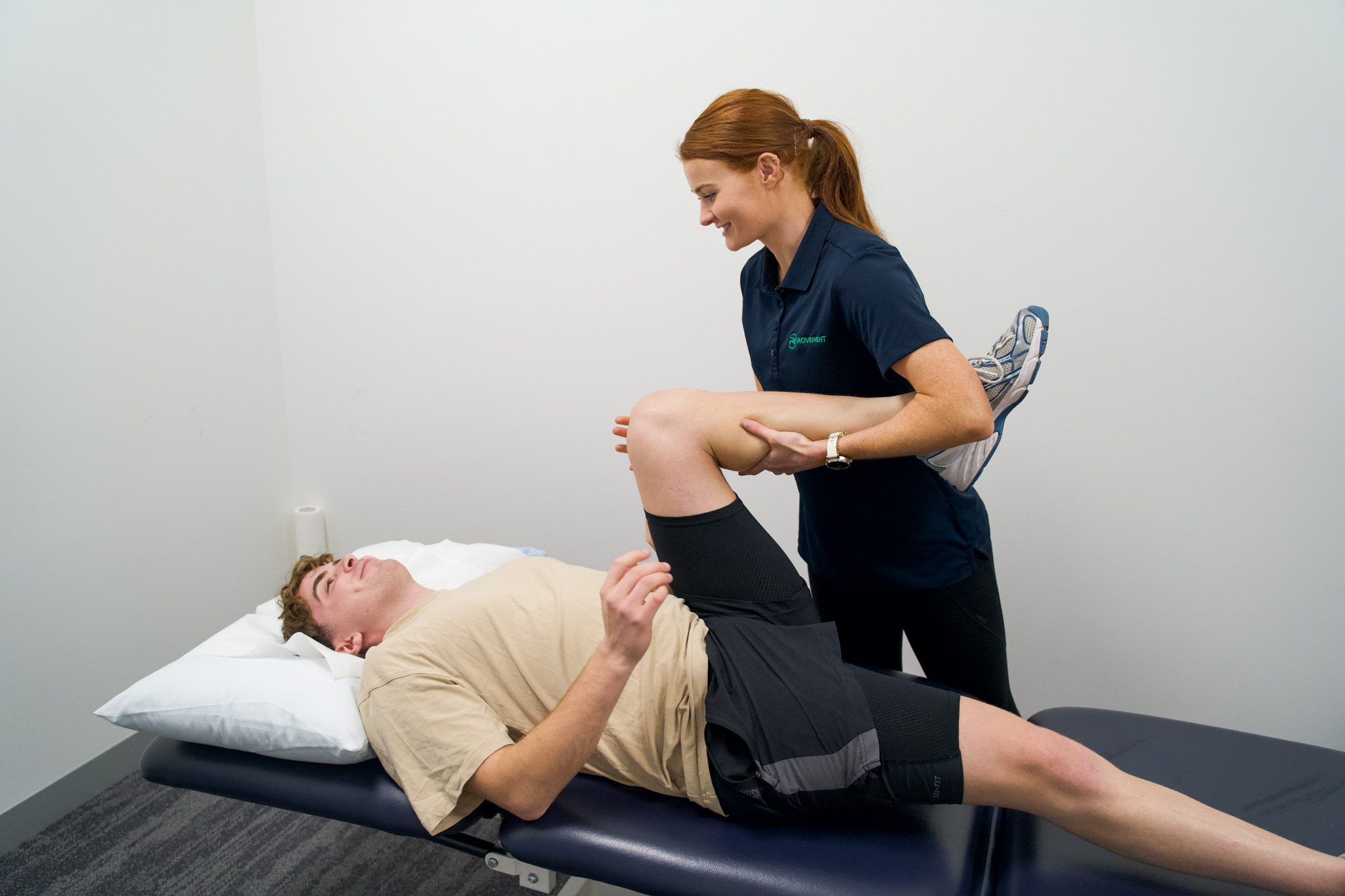
Rehabilitation may focus on restoring mobility, rebuilding strength and physical capacity, improving confidence and supporting a gradual return to work, sport or everyday activities.
Depending on your needs, your Exercise Physiologist may also work alongside a physiotherapist or other healthcare professionals as part of your rehabilitation.
Supporting Healthy Ageing
For many older adults, exercise isn’t about athletic performance. It’s about continuing to do the things that matter.
Changes in muscle mass, strength, bone health, balance and mobility can occur as we age. Regular physical activity, including appropriate strength and balance exercise, can help support physical function and independence.
An AEP may incorporate:
- Strength training
- Balance exercises
- Falls-prevention strategies
- Mobility exercises
- Functional movement training
The goal might be continuing to travel, garden, play with grandchildren, participate in the community or simply remain independent at home.
What If I’m New to Exercise?
You don’t need to get fit before seeing an Exercise Physiologist.
In fact, many people seek support because they don’t know where to start.
You might be worried about making your symptoms worse, returning after a long period of inactivity or feeling overwhelmed by conflicting exercise advice.
An AEP can assess where you’re currently at and develop an achievable plan that can progress with you.
The goal doesn’t have to be high-intensity training. For many people, building consistency, capacity and confidence is far more important.
When Should I See an Exercise Physiologist?
You may benefit from seeing an Accredited Exercise Physiologist if you:
- Have a chronic or complex health condition
- Are recovering from an injury or surgery
- Experience persistent pain
- Want to improve your strength, balance or mobility
- Have a disability that affects your movement or function
- Need guidance about exercising with a health condition
- Are returning to exercise after a period of inactivity
- Want to improve your physical function and independence
You don’t need to be an athlete, fit or experienced with exercise before making an appointment.
Frequently Asked Questions
No. Exercise Physiologists work with people across a wide range of fitness levels and abilities. Your exercise program can start from your current capacity and progress appropriately over time.
No. An Accredited Exercise Physiologist is a university-qualified allied health professional with specialist training in clinical exercise prescription for people with chronic health conditions, injuries, disabilities and other complex health needs.
Personal trainers primarily work within the fitness industry and have a different qualification and scope of practice.
There can be some overlap, particularly during rehabilitation, but their roles and areas of expertise differ.
Physiotherapists assess and manage conditions affecting movement and function and may use exercise, education, hands-on treatment and other rehabilitation strategies.
Exercise Physiologists specialise in using exercise to help manage health conditions, build physical capacity and support longer-term health and function.
We’ve explained the differences in more detail in our Physiotherapist vs Exercise Physiologist Health Hub article.
In many cases, you can book directly with an Exercise Physiologist without a referral.
However, a referral may be required for some funding pathways or programs. If you’re unsure, our team can help you understand what applies to you.
The Bottom Line
So, is exercise physiology only for athletes?
No.
Accredited Exercise Physiologists use exercise to support people with chronic health conditions, injuries, disabilities and other health needs, as well as people who simply want professional guidance to become stronger, healthier and more confident with movement.
For one person, success might mean returning to sport. For another, it might mean being able to walk further, manage everyday activities more comfortably or maintain independence as they age.
Ready to Get Started?
Whether you’re managing a health condition, recovering from an injury or simply unsure how to exercise safely, our Accredited Exercise Physiologists can help.
At P4 Movement in Wollongong, we provide personalised exercise programs based on your health, abilities and individual goals.
References
- Exercise & Sports Science Australia (ESSA). Accredited Exercise Physiologist Scope of Practice.
- Exercise & Sports Science Australia (ESSA). Accredited Sports Scientist Scope of Practice.
- Pedersen, B. K., & Saltin, B. (2015). Exercise as medicine – evidence for prescribing exercise as therapy in 26 different chronic diseases. Scandinavian Journal of Medicine & Science in Sports, 25(S3), 1–72.
- Australian Government Department of Health, Disability and Ageing. 24-hour Movement Guidelines for All Australians.
Disclaimer: This article is intended for general educational purposes only and does not replace personalised medical or healthcare advice. The information provided may not be appropriate for everyone. If you have concerns about your health, symptoms or exercise, speak with a qualified healthcare professional.