
When you think of a physiotherapist, you might picture someone treating a sporting injury or prescribing exercises after you’ve hurt your back. But physiotherapy is much broader than that.
Physiotherapists work with people of all ages and abilities to help improve movement, function, independence and quality of life. They can support people recovering from injuries or surgery, living with chronic or neurological conditions, managing pain, experiencing changes in mobility and balance, or working towards sporting and physical goals.
The day-to-day role of a physiotherapist can look very different depending on their area of expertise and where they work. So, what does a physiotherapist actually do?
What Does a Physiotherapist Do?
Physiotherapists are university-qualified healthcare professionals who assess and manage conditions that affect movement and physical function.
Rather than simply treating the area that hurts, a physiotherapist will generally look at how your symptoms are affecting your movement, function and everyday life.
Depending on your individual needs, a physiotherapist may:
- Take a detailed history of your symptoms, health and goals
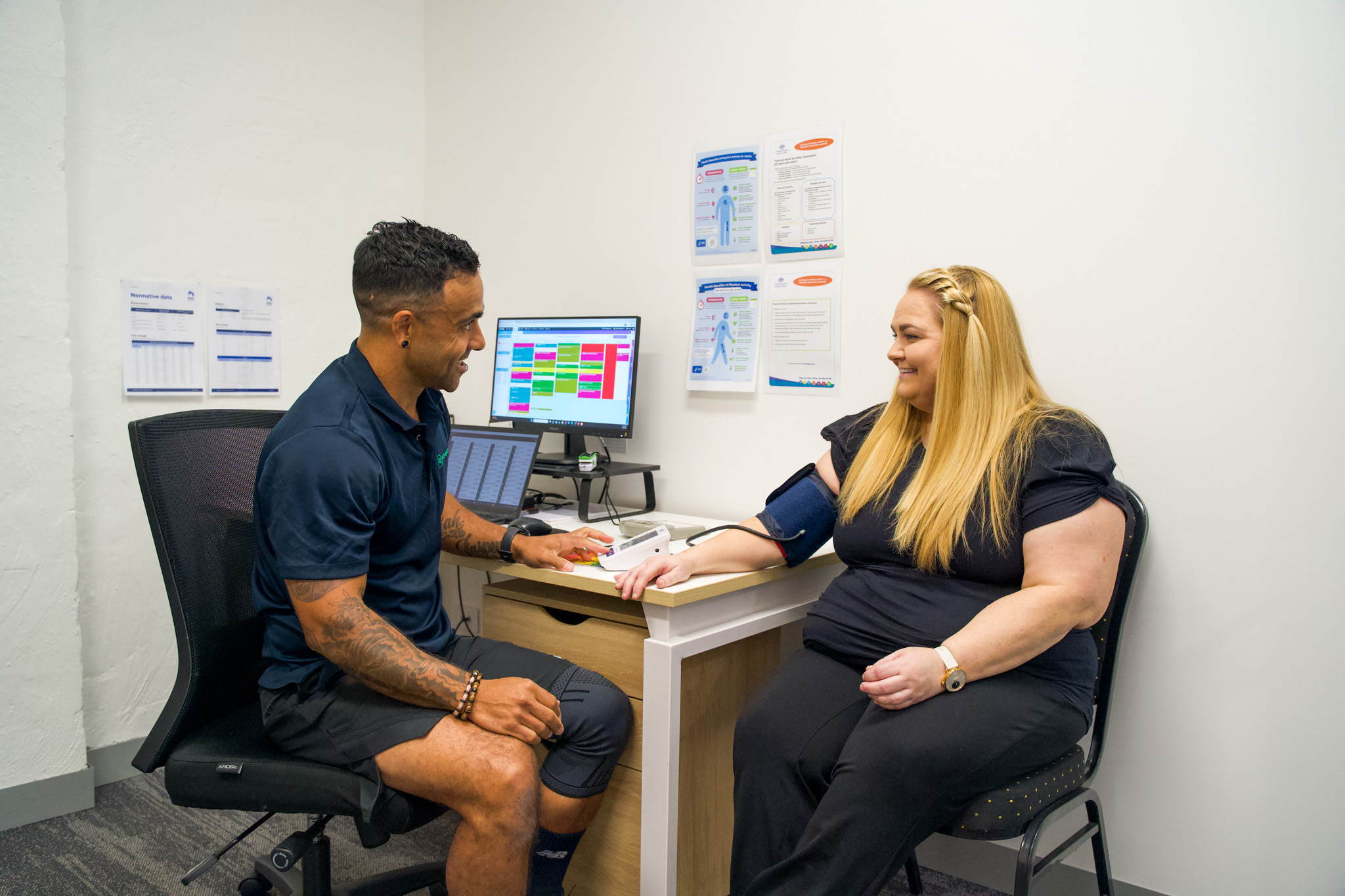
- Assess your movement, strength, flexibility, balance and function
- Establish a diagnosis or clinical impression
- Identify factors that may be contributing to your symptoms or limitations
- Develop an individualised treatment and rehabilitation plan
- Prescribe exercises and rehabilitation programs
- Provide education about your condition and its management
- Help you gradually return to everyday activities, work, exercise or sport
- Monitor your progress using reassessments and appropriate outcome measures
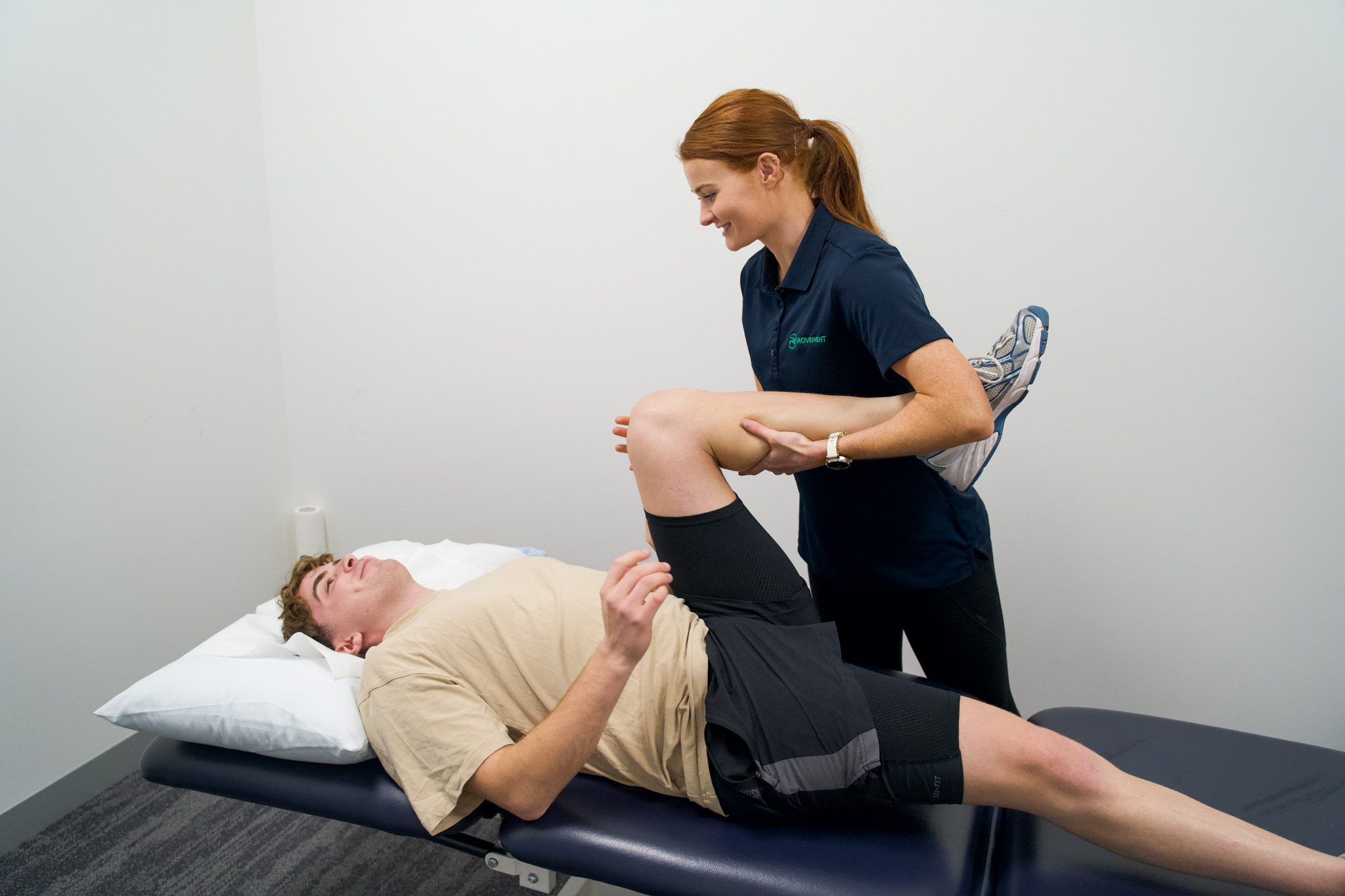
Treatment will look different for everyone. Depending on the condition being managed, physiotherapy may involve exercise prescription, education, hands-on treatment, activity modification, mobility or gait training, balance retraining, respiratory techniques, or rehabilitation following injury, illness or surgery.
Where Do Physiotherapists Work?
Physiotherapists work across many different areas of healthcare, including:
- Private practice clinics
- Public and private hospitals
- Inpatient rehabilitation units
- Outpatient hospital departments
- Community health services
- Residential aged care facilities
- Elite sporting clubs and organisations
- Disability and neurological services
- Home visit and mobile physiotherapy services
Because physiotherapists work in such diverse environments, the conditions they manage and the services they provide can vary considerably.
What Are the Different Types of Physiotherapy?
Physiotherapists can develop expertise in different areas of practice.
Musculoskeletal Physiotherapy
Musculoskeletal physiotherapists assess and treat conditions affecting the muscles, joints, ligaments, tendons and bones.
They commonly work with people experiencing back pain, neck pain, arthritis, sporting injuries, tendon injuries and those recovering from orthopaedic surgery.
This is one of the types of physiotherapy most commonly encountered in private practice.
Neurological Physiotherapy
Neurological physiotherapists work with people who have conditions affecting the brain, spinal cord or nervous system.
This may include people living with stroke, Parkinson’s disease, multiple sclerosis, spinal cord injury, traumatic brain injury and other neurological conditions.
Treatment may focus on areas such as mobility, balance, strength, coordination and independence.
At P4 Movement, neurological rehabilitation is an important part of our physiotherapy services, with rehabilitation tailored to each person’s condition, abilities and individual goals.
Cardiorespiratory Physiotherapy
Cardiorespiratory physiotherapists work with people experiencing heart and lung conditions.
They may support people recovering from cardiac surgery, managing chronic respiratory conditions or recovering from serious illness requiring hospitalisation.
Treatment can focus on breathing, exercise tolerance, physical function and overall fitness.
Paediatric Physiotherapy
Paediatric physiotherapists work with infants, children and adolescents.
They may assess and treat developmental delays, neurological conditions, sporting injuries, genetic conditions and musculoskeletal issues affecting growing children, with a focus on supporting movement, development and participation in everyday activities.
Physiotherapy for Older Adults
Physiotherapists also play an important role in supporting healthy ageing and independence.
They may work with older adults experiencing changes in mobility, balance or strength, as well as people managing arthritis, recovering from surgery or wanting to reduce their risk of falls.
Treatment can focus on maintaining strength and mobility, improving balance and helping people remain active and independent.
Pelvic Health Physiotherapy
Pelvic health physiotherapists have additional training in conditions affecting the pelvic floor.
They may work with people experiencing urinary incontinence, pelvic pain, pelvic organ prolapse, pregnancy-related conditions and post-partum rehabilitation. Depending on their training and area of practice, they may work with both women and men.
Sports Physiotherapy
Sports physiotherapists work with everyone from recreational athletes to elite competitors.
They assess and manage sporting injuries, guide rehabilitation and return-to-sport decisions, and can use strength, movement and performance testing to help people return to their chosen sport.
When Should I See a Physiotherapist?
You don’t necessarily need to wait until you’re injured to see a physiotherapist.
You may benefit from physiotherapy if you are:
- Experiencing ongoing pain or stiffness
- Recovering from an injury or surgery
- Having difficulty with movement or everyday activities
- Experiencing changes in your balance or mobility
- Recovering from or living with a neurological condition
- Returning to exercise or sport following an injury
- Experiencing recurring injuries or symptoms
- Wanting professional guidance with rehabilitation or physical function
You can also see a physiotherapist without a GP referral in many circumstances, although a referral may be required depending on how your treatment is being funded.
Working as Part of Your Healthcare Team
Physiotherapists often work as part of a multidisciplinary healthcare team.
Depending on your needs, this can involve communicating and collaborating with:
- General Practitioners (GPs)
- Orthopaedic surgeons
- Sports physicians
- Neurologists
- Occupational therapists
- Exercise physiologists
- Speech pathologists
- Dietitians
- Nurses
- Psychologists
- Support workers and carers
When appropriate, a physiotherapist may also refer you to another healthcare professional for further assessment, investigation or management.
This collaborative approach can be particularly important when someone’s health or rehabilitation needs involve more than one area of care.
What Does Physiotherapy Look Like at P4 Movement?
At P4 Movement in Wollongong, our physiotherapists work with people across a range of musculoskeletal and neurological conditions.
Rather than taking a one-size-fits-all approach, physiotherapy is tailored to your individual presentation, goals and what you want to get back to doing.
Depending on your needs, your physiotherapist may combine assessment, education, exercise-based rehabilitation, hands-on treatment and access to our purpose-built rehabilitation and gym facilities.
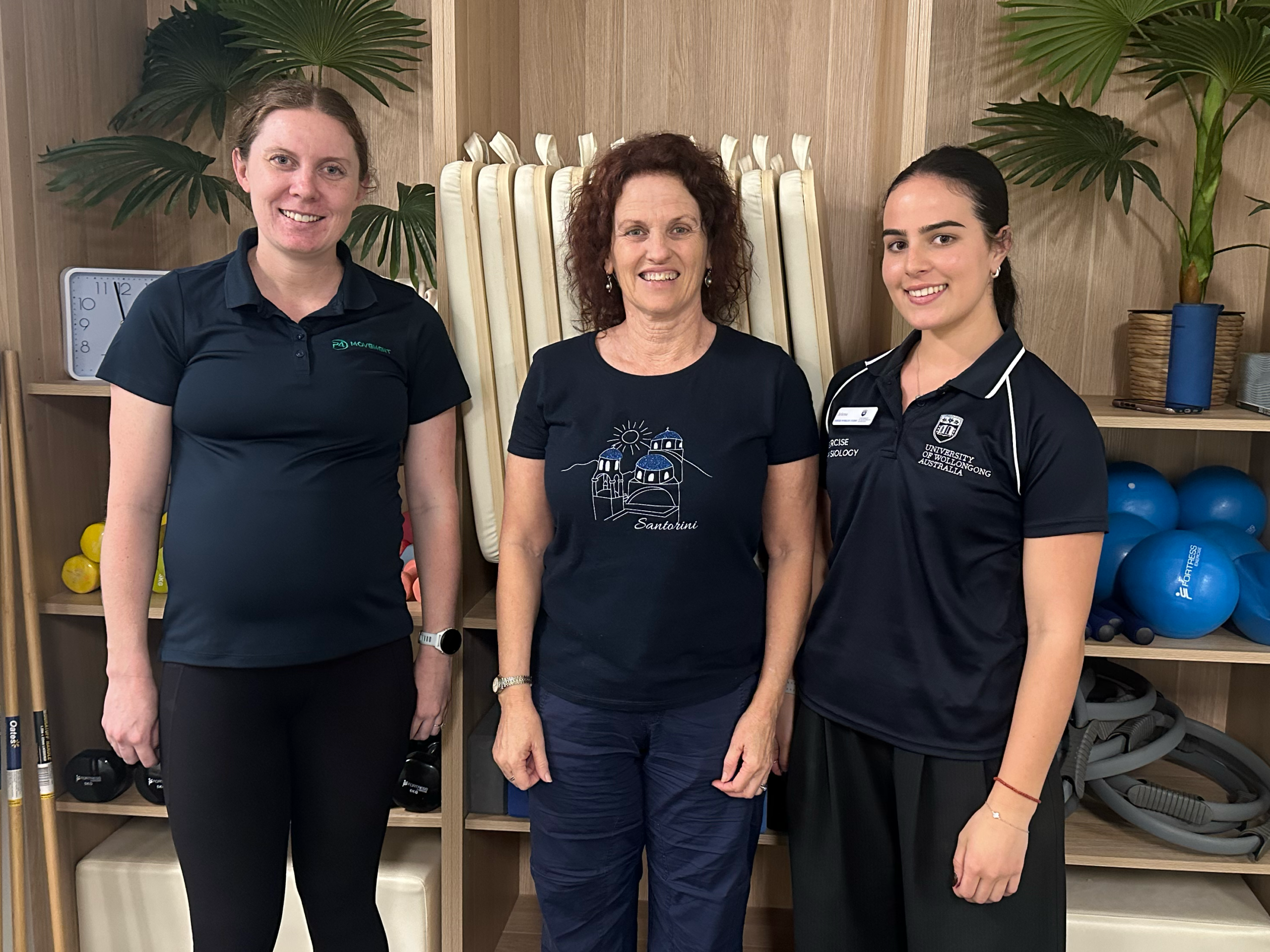
Our physiotherapists also work alongside our Exercise Physiologists and other allied health professionals, allowing us to take a collaborative approach when your rehabilitation would benefit from different areas of expertise.
Frequently Asked Questions
In many cases, no. You can generally book an appointment with a physiotherapist directly without a GP referral.
However, referral requirements can differ depending on your funding pathway, such as Medicare-funded services, DVA, workers compensation or other schemes.
Your first appointment will usually involve discussing your symptoms, health history and goals, followed by an assessment relevant to your condition.
Your physiotherapist will then discuss their findings with you and develop an appropriate treatment or rehabilitation plan.
Exercise is an important part of physiotherapy for many conditions, but it isn’t the only tool physiotherapists use.
Depending on your needs, treatment may also include education, hands-on techniques, movement or gait retraining, balance training, activity modification and strategies to help you manage your condition.
No. Physiotherapists work with much more than acute injuries. Physiotherapy can also play a role in managing chronic conditions, neurological rehabilitation, post-operative recovery, balance and mobility, healthy ageing and sporting performance.
The Bottom Line
So, what does a physiotherapist actually do?
Physiotherapists assess and manage a wide range of conditions affecting movement, function and physical health. While the type of treatment will depend on your individual needs, the aim is to help you improve your function, work towards your goals and participate in the activities that matter to you.
Whether you’re recovering from an injury or surgery, managing a chronic or neurological condition, returning to sport or experiencing changes in the way you move, physiotherapy can play an important role in your rehabilitation.
Not sure whether physiotherapy is right for you?
Our P4 Movement team can help you understand your options and determine the most appropriate next step.
References
- Healthdirect Australia. Physiotherapy.
- Australian Physiotherapy Association (APA). Studying Physiotherapy.
- Physiotherapy Board of Australia & Physiotherapy Board of New Zealand. Physiotherapy Practice Thresholds in Australia and Aotearoa New Zealand.
- Australian Physiotherapy Association (APA). (2025). Practitioner Support: Scope of Practice.
Disclaimer: This article is intended for general educational purposes only and does not replace personalised medical or healthcare advice. The information provided may not be appropriate for everyone. If you have concerns about your health, symptoms or treatment, speak with a qualified healthcare professional.